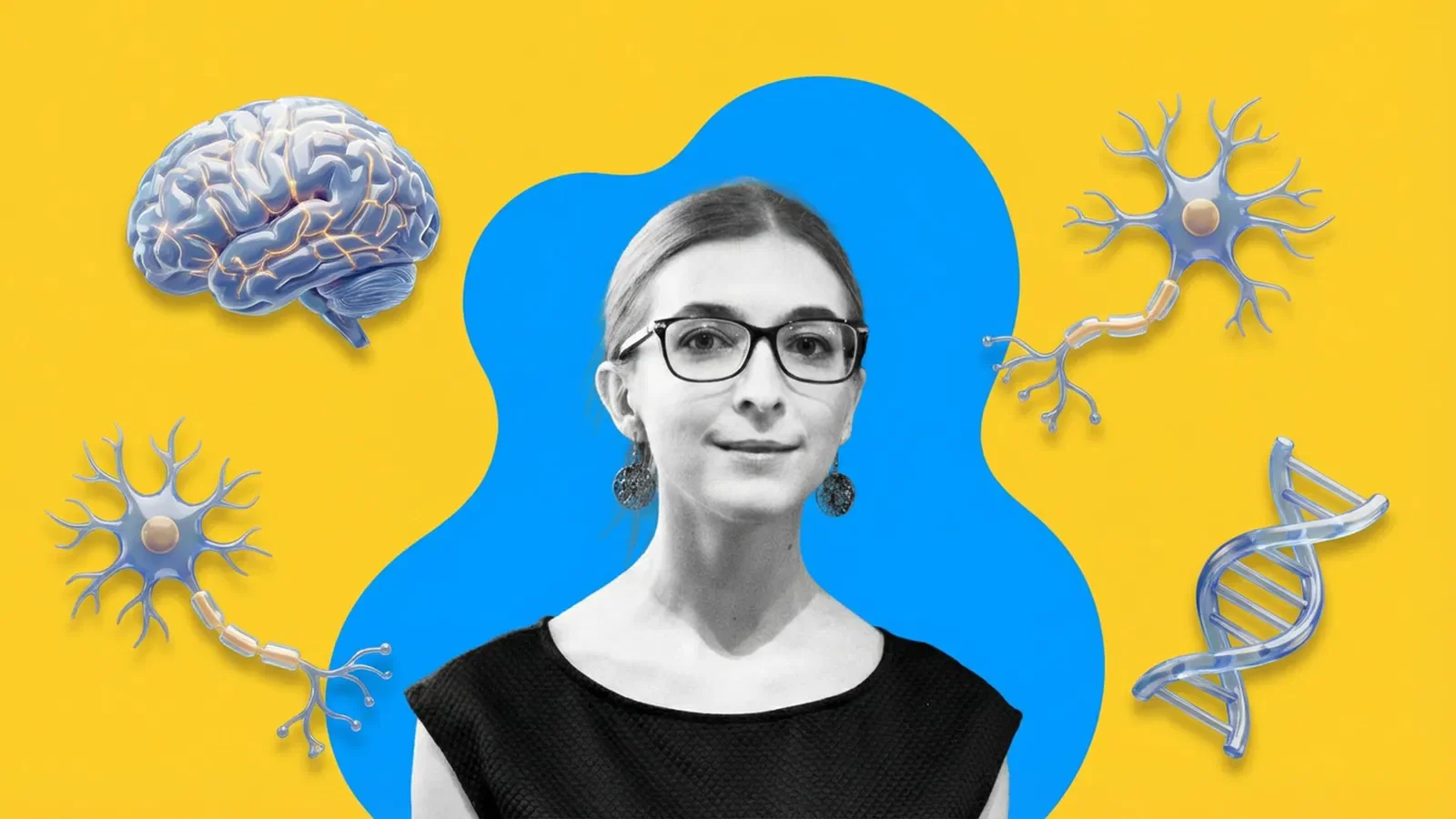
Asya Kazantseva: I Feel It in My Gut! The Science of Intuition and Decision-Making
The brain is a system for modeling reality and predicting the future under severe information constraints. This gives rise to countless problems, absurd beliefs, mistakes, and cognitive biases — which is usually what popular science focuses on. The scientific method and critical thinking, we’re told, exist to prevent people from making poorly justified decisions just because they “feel right.”
But often, making quick decisions with limited information isn’t a bug — it’s a feature. If we couldn’t do this, we wouldn’t have survived. Today, the scientific method allows us not only to reject intuitive decisions, but also to study them, evaluate their quality, and compare them to purely rational choices — which are not always superior. Whether it’s diagnostics, risk assessment, picking the best product, or answering a test question, when time is short and information is limited, relying on intuition can often be both effective and rational.
In this lecture, we’ll explore specific studies on human intuition, which brain structures are involved, and which personal and situational factors increase or decrease the likelihood that an intuitive decision will actually be a good one.
Similar events

Jordan Peterson

Ovanes Akopyan: Magic, Astrology, and the Quest for Harmony